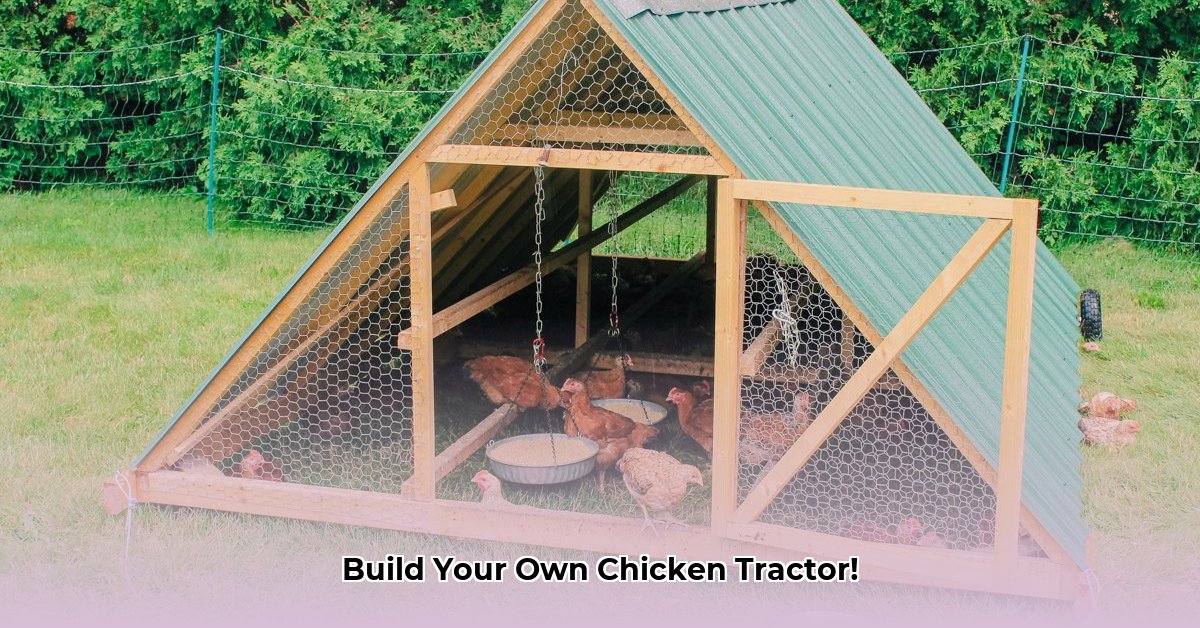
Plans for a Chicken Tractor: Build Your Own Mobile Coop
Ready to upgrade your chicken-keeping and gardening game? A chicken tractor—a mobile coop—is the perfect solution! It's a win-win: your hens get fresh pasture, and your garden gets natural fertilizer. This guide provides a step-by-step plan, regardless of your DIY experience. We’ll cover sizing, materials, design, construction, pasture rotation, and safety, helping you build a predator-proof home for your flock. For more on pre-built options, check out this walk-in coop resource.
Sizing Up Your Flock and Your Perfect Tractor
First, count your chickens! This determines your tractor's size. A smaller flock (2-4 hens) requires less space than a larger one (9+ hens). Consider your yard size, as you'll regularly move the tractor for optimal pasture management.
Here's a helpful size guideline:
| Flock Size | Recommended Tractor Dimensions (approximate) |
|---|---|
| 2-4 hens | 4ft x 8ft |
| 5-8 hens | 6ft x 10ft |
| 9+ hens | 8ft x 12ft or larger |
Remember, these are suggestions. Adjust based on your flock size and available space. Is a larger space truly necessary for optimal pasture management or would a smaller design suffice for your hens' needs?
Choosing Your Building Materials: Wood, Metal, or a Mix?
Material selection impacts cost, durability, and aesthetics.
Wood: Affordable and easy to work with, but requires regular maintenance to prevent rot and insect damage. Pressure-treated lumber offers increased durability but may raise environmental concerns.
Metal: Highly durable and pest-resistant, but more expensive and requires specialized tools. Recycled metal is an eco-friendly option.
Recycled Materials: Cost-effective and environmentally friendly; however, this approach demands more creativity and problem-solving skills.
Consider your budget and DIY skills when selecting materials. What balance of cost and durability best suits your needs and resources?
Designing Your Chicken Tractor: From Plans to Reality
Your design should be a sturdy box on wheels with a run and nesting boxes. Strong hardware cloth or welded wire mesh is crucial for predator protection. A well-designed chicken tractor improves both poultry welfare and pasture health.
Step-by-Step Building Instructions:
Build the Frame: Construct a strong rectangular frame using your chosen material. Ensure it is robust enough to withstand wind and rain.
Enclose the Run: Attach the hardware cloth to the frame, creating a secure enclosure. Walls should be tall enough to deter small predators. Remember, raccoons are escape artists!
Add Nesting Boxes: Provide at least one nesting box per four hens, ensuring a private space for egg-laying.
Install Wheels: Attach heavy-duty casters to one side for easy mobility.
Make a Door: Include a secure door for access to chickens and eggs.
Manure Management: A removable tray simplifies cleaning.
Moving Your Tractor: Pasture Rotation for Healthy Chickens and Soil
Regularly moving the tractor is key to its success. It allows for pasture regeneration, creating a natural fertilizer system and reducing parasite loads for your chickens.
Frequency: Depends on flock size and pasture condition; move every few days to two weeks.
Method: Simply roll the tractor to a fresh area.
Benefits: Natural fertilization, improved soil health, pest control, and healthier pasture for your flock.
Safety First: Protecting Your Flock and Yourself
Prioritize safety for both chickens and humans.
Predator Protection: Use strong materials, secure mesh, and strategically locate the tractor to deter predators.
Chicken Health: Maintain a clean coop with fresh food and water.
Human Safety: Wear safety glasses and gloves during construction and maintenance.
Maintenance and Troubleshooting: Keeping Things Running Smoothly
Regular inspection is essential. Repair any damage promptly to prevent further issues. Address any problems before they escalate. This proactive approach extends the life and effectiveness of your chicken tractor.
How to Build a Chicken Tractor for Optimal Pasture Rotation and Pest Control
Key Takeaways:
- Building a chicken tractor provides a sustainable method for poultry management.
- Careful design minimizes predation risks while maximizing pasture benefits.
- Simple modifications significantly enhance predator protection.